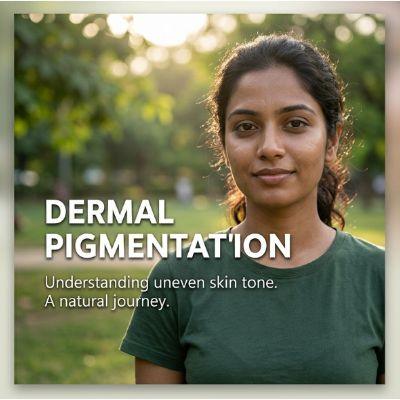
When melanin gathers under the skin in the dermis, dermal pigmentation happens. The pigment inside the skin is harder to remove and usually needs stronger therapy. Blueish-grey, dark brown, or dull ash-like spots often show up on the skin, face, neck, hands, and sometimes arms or chest. Best treatment guide with every step at Enfield Royal Clinic, Islamabad. Experts there match proven treatment for skin pigmentation. Get effective, lasting treatment for dermal pigmentation in Islamabad by booking your consultation with our experienced specialists today.
Quick Facts About Dermal Pigmentation Treatment
Techniques Used: Laser, Pico, PRP, Chemical Peels, Topical Rx
Treatment Areas: Face, Neck, Hands & Body
Session Duration: 30 minutes to 1 hour
No. of Sessions: 2 to 6 sessions
Results Duration: Long-lasting with maintenance
Downtime: Minimal to none
Causes of Dermal Pigmentation and What to Notice
Most people never notice their skin changing until it has already changed. What sets off dark patches varies wildly from one person to another, making guesswork useless when deciding care steps.
Common Causes
- Chronic sun exposure leads to deep melanin overproduction in the dermis.
- Hormonal imbalances, melasma during pregnancy, or contraceptive use.
- Post-inflammatory hyperpigmentation (PIH) following acne, injuries, or procedures.
- Harsh or inappropriate skincare products that damage the skin barrier and trigger melanocyte activity.
- Genetic predisposition is especially common in individuals with medium-to-dark skin tones (Fitzpatrick types III–VI).
- Hori’s nevus is an acquired, bilateral, blue-grey pigmentation on the cheeks.
Signs & Symptoms.
- Dark brown, grey, or bluish-grey patches most commonly appear on the cheeks, forehead, or chin.
- Skin tone discolouration that does not respond to basic skincare or OTC brightening products.
- Discolouration that visibly worsens after sun exposure or hormonal changes.
- Pigmented lesions that appear deeper in the skin and have diffuse, irregular borders.
- Recurring dark spots that return after topical treatment is discontinued.
- When you notice these signs, a consultation with a qualified dermatologist or aesthetic physician in Islamabad is essential for proper diagnosis and a targeted treatment plan.
How To Choose the Best Procedure for Dermal Pigmentation?
Dermal pigmentation treatments are generally selected based on the specific skin colour concern, whether it is caused by melasma, post-acne scarring, sun damage, or genetic pigmentation. Some aim at softening patches that stand out too much.
Not all treatments work equally for all types of dermal pigmentation. Take pico lasers, they often handle stubborn melasma more successfully. Deep pigment, like in Hori’s nevus, tends to fade best under Q-switched Nd: YAG treatment. Chemical peels work well for mild-to-moderate discolouration, and microneedling with PRP is ideal for diffuse, uneven tone and skin dullness.
Ideal Candidate for Skin Pigmentation Therapy
- Melasma, hormonal brown patches on the cheeks, forehead, or upper lip.
- Post-inflammatory hyperpigmentation (PIH) from acne, injuries, or previous procedures.
- Sun-induced deep dark spots, freckles, and age spots on the face, neck, or hands.
- Hori’s nevus acquired bilateral blue-grey facial patches.
- Genetically inherited skin discolouration, especially in those with darker skin tones.
- Persistent skin dullness or uneven tone not resolved with topical treatments alone.
Guaranteed Results After Pigmentation Treatment
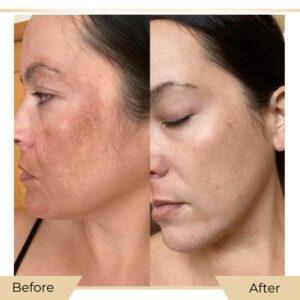
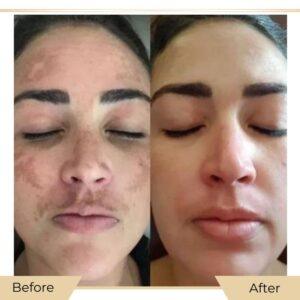
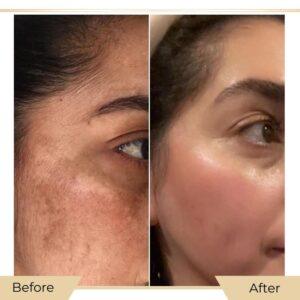
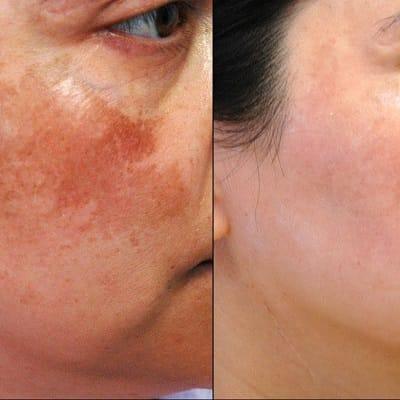
Dermal pigmentation in Islamabad normally results in clearer, smoother skin within just a few appointments. Marks on the skin fade, the face looks nicely even, and the skin brightens. Lasting shifts happen, yet now and then, extra sessions help match personal routines, skin type, and surroundings. Many say confidence rises along with seeing a refreshed complexion once care wraps up.
Best Treatment for Skin Pigment Correction in Islamabad
From sun spots to uneven skin tone, care at Enfield Royal Clinic Islamabad, we offer a comprehensive range of clinically proven treatments for dermal pigmentation.
Q-Switched Nd: YAG Laser
Light breaks up stubborn dark spots under the skin, thanks to a precise laser tool called Q-switched Nd: YAG. This method zeroes in on deep pigment by sending focused pulses right where needed. Skin stays safe while color clusters break apart gradually over time.
Pico Laser Therapy
Pulses move fast, breaking up color deep inside skin while skipping heavy heat. That shift means fewer problems after treatment, less chance of dark spots returning. It handles tough discoloration better than older methods. Sessions add up slower, progress comes faster.
Microneedling with PRP
From Mircroneedling to tiny needles to your own plasma, this method wakes up the skin gently. Healing kicks in fast when micro-injuries spark new collagen. Growth factors do their work quietly, evening out color over time. Suitable for every shade, it plays well across skin types.
Chemical Peels
Peeling treatments of moderate strength work well on light to medium skin discoloration. With these clinical-grade solutions, old outer layers lift away, revealing fresher tissue underneath.
Mesotherapy for Brighter Skin
Needles carry a tailored mix of nutrients right into deeper skin layers. Tiny pricks place brightening compounds where they work best. With each session, tired-looking areas tend to wake up. Pigment spreads more evenly when treatment reaches the dermis. Light reflects better after several rounds.
What to Expect During and After Treatment?
We strive for all our dermal pigmentation treatments to be gentle, efficient, and minimally disruptive to your daily life. Every procedure begins with a detailed skin assessment using approved diagnostic tools to measure pigmentation depth, skin type, and overall skin health.
- A few sessions in, the skin looks more even, lit from within.
- Fading slowly happens, where the skin looks darker than usual.
- Patches lose intensity over time instead of staying bold.
- Patches of color blend more smoothly after treatment.
- Tone looks steadier where applied.
- Improved skin texture and overall radiance.
- Sticking with it means things stay put.
- What you do next decides how long it holds.
- Most patients report significantly improved self-confidence.
Board Certified Aesthetic Physician With Verified Dermal Pigmentation Treatment
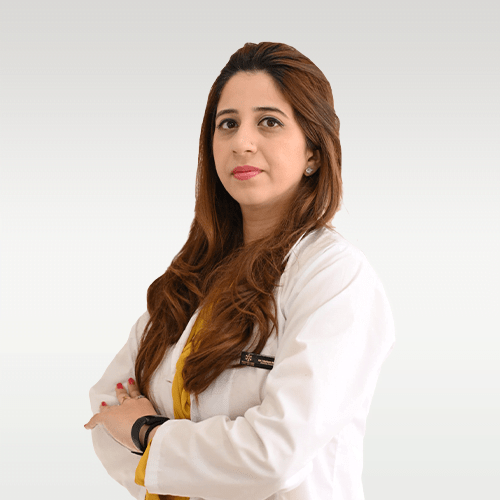
Choosing the right specialist is the single most critical factor in achieving safe, effective, and lasting results for dermal pigmentation. Dr. Ayusha Khan is a leading aesthetic physician at Enfield Royal Clinic Islamabad, renowned for her deep expertise in skin pigmentation disorders, laser-based therapies, and advanced non-surgical skin rejuvenation.
Benefits of Treating Skin Pigmentation
- Permanent Pigmentation Reduction
- Clearer skin with more even tone
- Safe for Every Skin Tone
- Fully Personalised Plans
- Expert Follow-Up Care
What is the Cost of Dermal Pigmentation Treatment in Islamabad
The cost of dermal pigmentation treatment in Islamabad starts from PKR 15,000 per session. What you actually spend depends on things like how deep the discoloration goes, which technique works best, how many visits you need, and what state your skin is currently in. Over at Enfield Royal Clinic Islamabad, every fee shows up front, nothing tucked away, nothing sprung later.
Book Your Consultation Today!
If you have had enough of covering up dark patches and uneven skin tone, professional treatment is a proven, lasting solution. Our experts at Enfield Royal Clinic Islamabad provide the best clinically backed remedies for dermal pigmentation in Pakistan. We want to help you achieve brighter, smoother, and younger-looking skin using the latest dermatology treatments and genuine, personalised care.
Frequently Asked Questions
How Many Sessions for Dermal Pigmentation Treatment Needed?
Some people need just a couple of treatments; others might take up to six. It really hinges on how deep the discoloration runs, what kind it is, plus how strong the case happens to be. When the pico laser enters the picture, it often wraps things up faster compared to older Q-switch methods. Peel routines? They tend to ask for repeat visits if real change is the goal
Does Dermal Pigmentation Hurt?
Some people feel fine with most treatments. A light snap or warmth might show up during laser sessions, though numbing cream on the skin often helps ease it. While using chemical peels, a short tingle could happen here and there. Any pain goes away fast. Most go back to their usual routine without delay
Does Skin Discoloration Return After Treatment?
Even after fading, skin discoloration might return, especially when sunlight, shifting hormones, or wrong products come into play. Staying shielded from UV rays helps keep tones even. A routine shaped by an expert makes lasting change more likely. Without steady care, earlier progress could slip away
Which is Better, Pico laser or Q-switched Laser for Deep Pigmentation?
Pico laser tends to work better when the pigment keeps coming back. Because of its super-fast bursts, it breaks up dark spots more thoroughly while producing less warmth and irritation. For issues buried deep in the skin, like Hori’s nevus or marks left after inflammation, healing often follows treatment with a Q-switched Nd: YAG device. The choice comes down to what your skin shows during evaluation. What fits best depends on that moment
Is Dermal Pigmentation Safe for Darker Skin Tone?
Most times, safety comes down to skill; when a qualified expert follows precise methods, pigment procedures work well on deeper complexions. Experts at Enfield Royal Clinic Islamabad, learn how different skin types react, adjusting steps so extra darkness after care is unlikely
How Much Does Dermal Pigmentation Treatment Cost in Islamabad?
Dermal pigmentation treatment in Islamabad starts from PKR 15,000 per session. Because every mark differs, so does the method used, which shapes how much it costs overall. Sessions add up depending on what kind of result you’re aiming for.
How Many Sessions for Dermal Pigmentation Treatment Needed?
Some people need just a couple of treatments; others might take up to six. It really hinges on how deep the discoloration runs, what kind it is, plus how strong the case happens to be. When the pico laser enters the picture, it often wraps things up faster compared to older Q-switch methods. Peel routines? They tend to ask for repeat visits if real change is the goal
Does Dermal Pigmentation Hurt?
Some people feel fine with most treatments. A light snap or warmth might show up during laser sessions, though numbing cream on the skin often helps ease it. While using chemical peels, a short tingle could happen here and there. Any pain goes away fast. Most go back to their usual routine without delay
Does Skin Discoloration Return After Treatment?
Even after fading, skin discoloration might return, especially when sunlight, shifting hormones, or wrong products come into play. Staying shielded from UV rays helps keep tones even. A routine shaped by an expert makes lasting change more likely. Without steady care, earlier progress could slip away
Which is Better, Pico laser or Q-switched Laser for Deep Pigmentation?
Pico laser tends to work better when the pigment keeps coming back. Because of its super-fast bursts, it breaks up dark spots more thoroughly while producing less warmth and irritation. For issues buried deep in the skin, like Hori’s nevus or marks left after inflammation, healing often follows treatment with a Q-switched Nd: YAG device. The choice comes down to what your skin shows during evaluation. What fits best depends on that moment
Is Dermal Pigmentation Safe for Darker Skin Tone?
Most times, safety comes down to skill; when a qualified expert follows precise methods, pigment procedures work well on deeper complexions. Experts at Enfield Royal Clinic Islamabad, learn how different skin types react, adjusting steps so extra darkness after care is unlikely
How Much Does Dermal Pigmentation Treatment Cost in Islamabad?
Dermal pigmentation treatment in Islamabad starts from PKR 15,000 per session. Because every mark differs, so does the method used, which shapes how much it costs overall. Sessions add up depending on what kind of result you’re aiming for.